
Menu
Specialty Chemicals
Index / Products

© 2026 HANSTECH ADVANCED MATERIALS CO., LTD.. All rights reserved
1059
Features and Advantages
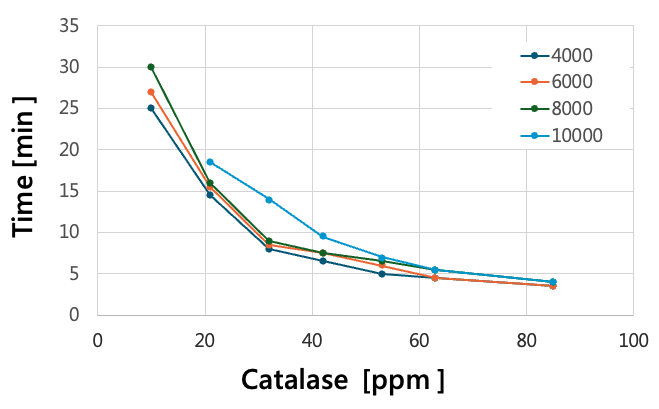
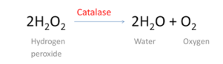
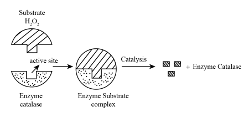
Reaction Mechanism of the Deoxygenating Enzyme
Comparison of Common Methods for Removing Hydrogen Peroxide
| Advantages | Disadvantages | |
|---|---|---|
| Activated carbon | Strong hydrogen peroxide removal capability Can adsorb organic matter | Activated carbon breaks up easily with high loss Treatment system clogs easily |
| Ferrous sulfate addition (Fenton process) | Can simultaneously remove COD | Sludge must be disposed of pH adjustment required Hydrogen peroxide concentration before treatment must not be too high |
| Sodium thiosulfate | No sludge produced | High dosing cost and large dose required Hydrogen peroxide residue is likely Conductivity increases substantially |
| Deoxygenating Enzyme | Low investment cost No modification of existing equipment required Removes 90% of hydrogen peroxide effectively within a 10-minute reaction No sludge produced Does not affect COD, ammonia nitrogen and similar values Can treat high-concentration hydrogen peroxide | Dosing cost roughly equal to the Fenton process Poor thermal stability; operating above 45°C requires a higher dose |